

Fund Your Next Chapter.
You’ll work with the same specialist from the first call to closing, and you’ll see every rate and fee before you sign.
Small on purpose
A boutique marketplace in commercial lending.
We’re a loan broker, helping businesses across the nation. We get to know your business, then take your deal to the kinds of lenders that fit it and show you their offers side by side.
More about Adelante
What we finance
We work with small to middle-market businesses, across many kinds of property.
- Industrial
- Hospitality
- Healthcare
- Office
- Retail
- Special Use
- Multifamily
- Self Storage
- Mobile Home Parks
Loan Types
Loan Programs we offer.
Commercial Real Estate Loans
Buy, refinance, or pull cash out of commercial property, whether your business occupies it or you lease it out.
- Uses
- Purchase, refinance, cash-out, renovation
- Typical structure
- 5–10 year term, 20–25 year amortization
- Typical leverage
- Up to about 75–80% of value
- Industrial, retail, office, hospitality, healthcare, and special-use property.
- Commonly a 5- to 10-year term on a 20- to 25-year amortization, with a balloon at maturity.
- Sized on value and cash flow: lenders often stop around 75% loan-to-value and look for a 1.20x–1.25x debt service coverage ratio.
SBA Loans
Government-backed loans with long terms and low down payments, for owner-occupied property, expansion, or buying a business.
- 7(a) maximum
- $5 million
- 504 maximum
- $5.5 million SBA portion
- Real estate term
- Up to 25 years
- SBA 7(a): up to $5 million for real estate, equipment, working capital, refinancing, or buying a business.
- SBA 504: up to $5.5 million from the SBA for buildings, land, and long-life equipment, often with 10% down.
- Up to 25 years on real estate. Your business must occupy at least 51% of an existing building, or 60% of new construction.
Unsecured Loans & Lines
Working capital approved on your revenue and credit, without pledging real estate or equipment.
- Forms
- Term loan or revolving line of credit
- Collateral
- No specific asset pledged
- Typical terms
- Shorter, often 1 to 5 years
- A term loan for a one-time need, or a revolving line you draw on and repay as you go.
- Approval leans on revenue, time in business, and credit rather than property.
- “Unsecured” means no specific asset is pledged. Most lenders still require a personal guarantee and may file a UCC lien.
Commercial Hard Money
Short-term, asset-based loans that close quickly when a bank can’t, or can’t in time.
- Typical term
- About 6 to 24 months
- Payments
- Usually interest-only
- Typical leverage
- About 60–75% of value
- Underwritten mainly on the property’s value, not on tax returns or a long credit history.
- Usually interest-only, with terms of about 6 to 24 months and leverage around 60–75% of value.
- It costs more than bank debt, so every loan starts with a clear exit: a sale, a refinance, or stabilizing the property.
Equity Loans & 2nd Liens
Turn the equity in property you own into cash, without refinancing the first mortgage you already have.
- Position
- Second lien, behind your first mortgage
- Keeps
- Your existing first mortgage and its rate
- Sized on
- Combined loan-to-value (CLTV)
- A second loan sits behind your existing first mortgage, so a low rate on the first stays in place.
- Sized on combined loan-to-value: everything owed on the property against what it is worth.
- Some first mortgages restrict additional liens, so we review your loan documents before anything else.
Adelante 95
Buy a commercial building with as little as 5% down: up to 95% loan-to-value, on loans up to $5 million.
- Loan-to-value
- Up to 95%
- Down payment
- As little as 5%
- Loan amount
- Up to $5 million
- Finance up to 95% of the purchase, so you bring 5% instead of the 20–25% or more a conventional commercial loan often needs.
- Loan amounts up to $5 million.
- On a $2,000,000 building, that is a $1,900,000 loan and $100,000 down.
Where we work
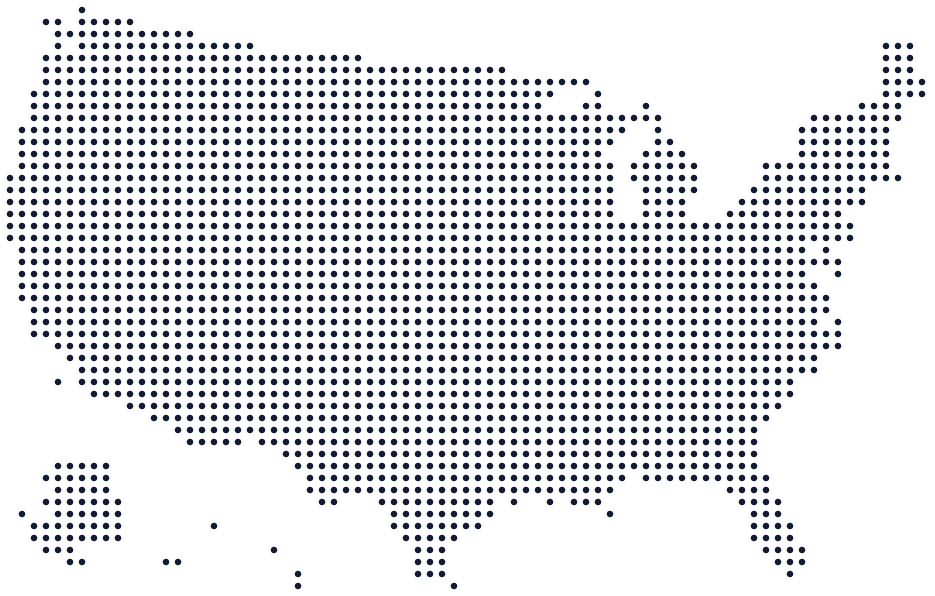
We work nationwide.
A warehouse in Ohio and a hotel in Arizona get the same process and the same people. Wherever the property is, you work with the specialist who has known your file since the first call.
Except North Dakota, South Dakota, and Rhode Island.
How we work
Overview of our process.
Five checkpoints, each with something in writing, so you always know where your loan stands and what comes next.
-
Buyer Ready
Print, complete, sign
We send our Buyer Ready flyer with a short first set of documents. Your answers tell us whether the loan is viable before anyone spends time or money on it.
CheckpointA clear answer on loan viability.
-
Soft terms
Review the numbers
Once the loan looks viable, we can usually put soft terms in front of you: an early look at the loan structure, the approximate interest rate, and the cost.
CheckpointYou decide whether the terms work for you.
-
Broker fee agreement
Furnish documents, sign
If you accept the terms, we collect the remaining documents and you sign our broker fee agreement, which spells out exactly what we charge within the overall cost of the loan.
CheckpointYour loan is submitted to formal underwriting.
-
Underwriting
Clear conditions
The lender approves, declines, or counters. An approval comes with conditions to clear before closing, such as hazard insurance on the building. We work through the list with you.
CheckpointFinal approval from the lender.
-
Closing
Sign the loan
The lender prepares the closing documents. You review and sign them to complete the loan.
CheckpointYour loan is closed.
Contact
Have a question, or ready to apply?
We're here to help, please don't hesitate to reach out.
CPA, attorney, or broker with clients who need financing? Learn about our Partner Referral Program
FAQ
Frequently Asked Questions
How much can I borrow?
It depends on the loan type, your revenue, and what the money is for. A line of credit might start in the tens of thousands; an SBA loan can run into the millions. Tell us what you’re planning and we’ll give you a realistic range.
What do I need to apply?
Usually two years of business and personal tax returns, a few months of bank statements, and a clear picture of what the loan is for. Newer businesses may also need a short plan. We send you the exact list, so there’s no guessing.
Will talking to you hurt my credit?
No. A first conversation doesn’t touch your credit. Before any formal application, we’ll tell you exactly when a credit check happens and what kind it is.
My business is new. Can I still qualify?
Sometimes. Businesses under two years old have fewer options, but SBA loans and property-backed options like hard money can work when the plan and the numbers hold up. If it’s too early, we’ll say so, and tell you what would change the answer.
How long until I have the money?
It depends on the loan. Hard money and unsecured options can move in days or weeks. SBA loans take longer because of the federal paperwork. You’ll get a realistic timeline for your specific loan at the start; final timing depends on the lender.
What if my credit isn’t great?
It matters, but it’s one number. Cash flow, time in business, and collateral count too. Bring us the whole picture and we’ll tell you honestly what’s possible.